


Choosing the wrong material can lead to warped panels, faded colors, and rusted hardware within just a few seasons. However, selecting the right weather-resistant materials ensures your investment stands tall for decades. Whether you are a homeowner looking for peace of mind or a retailer stocking up for the season, understanding which materials hold up best is essential.
Here is a breakdown of the top contenders for weather-resistant privacy fencing.
The Problem with Wood
Traditionally, wood has been the go-to for privacy. It looks natural and offers solid visual blockage. However, when it comes to weather resistance, wood often falls short. It is highly susceptible to moisture, which leads to rotting, warping, and insect damage. Even treated lumber requires regular staining and sealing to survive harsh climates. If you want a fence that you can install and forget, you might want to look beyond traditional timber.
Vinyl Fencing: The All-Rounder
Vinyl (PVC) fencing has surged in popularity because it addresses almost every weakness of wood. It is essentially impervious to moisture, meaning it will never rot, blister, or peel.
For sunny climates, high-quality vinyl comes with UV inhibitors that prevent the color from fading or the material from becoming brittle and cracking. In windy areas, vinyl’s slight flexibility allows it to absorb wind impact without snapping, provided the posts are reinforced properly. It provides excellent privacy and requires little more than an occasional hose-down to look new.
Chain Link with Privacy Slats: The Durable Champion
Galvanized chain link is legendary for its strength. It resists rust and holds up against physical impact better than almost any other residential option. However, standard chain link offers zero privacy.
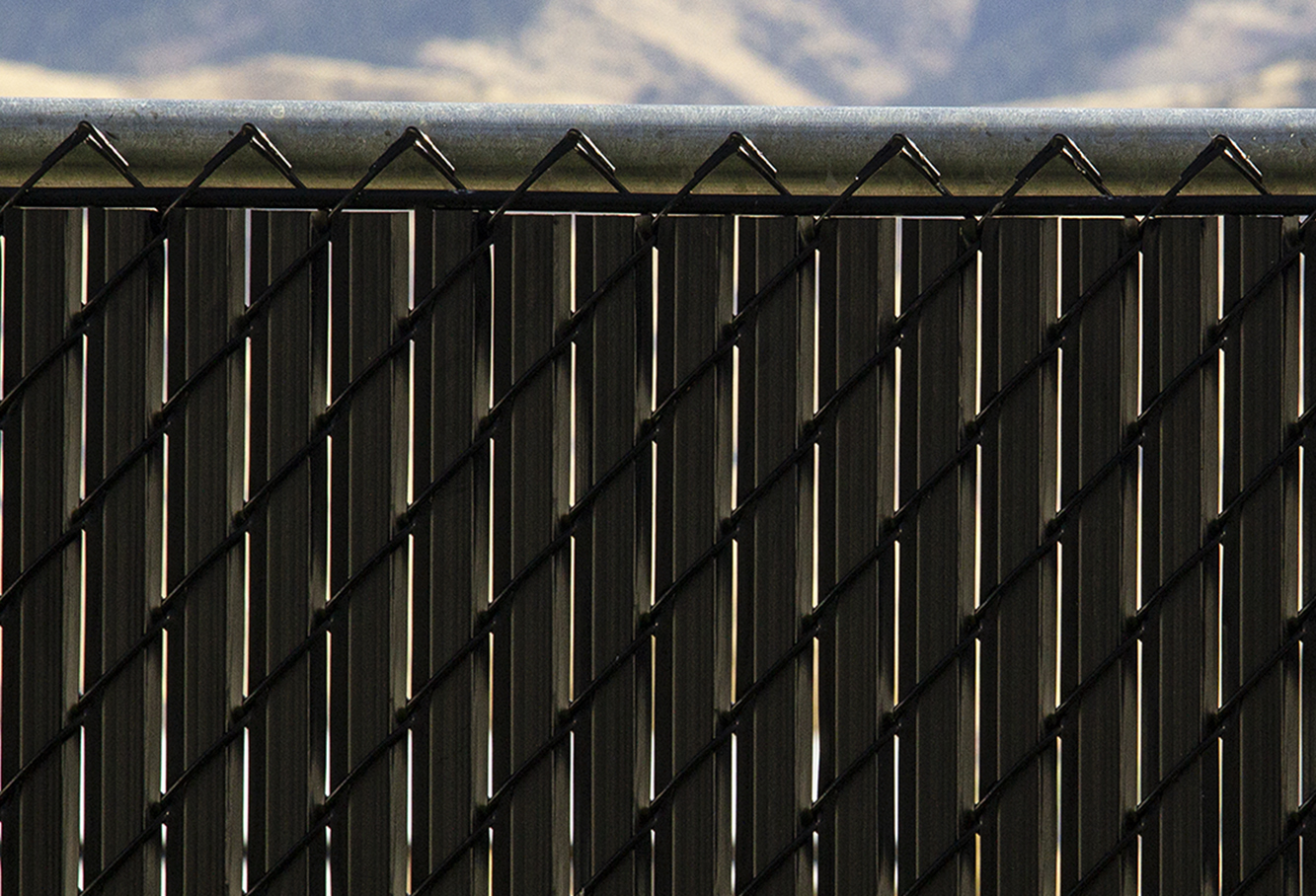
The solution lies in slats for chain link fence. By adding high-density polyethylene (HDPE) slats to the mesh, you get the best of both worlds: the structural integrity of steel and the visual privacy of a solid wall.
These slats are designed to withstand severe weather conditions:
- Wind Load: Unlike a solid vinyl or wood wall that acts like a sail in a storm, chain link with slats allows some air to pass through. This reduces the wind load on the posts, keeping the fence upright during heavy gusts.
- UV Resistance: Quality slats are treated to resist fading, maintaining their color even after years of direct sunlight.
- Temperature fluctuations: The materials used in these systems are designed to handle freeze-thaw cycles without cracking.
The Advantage of Factory Insertion
While you can buy slats separately, products like PrivacyLink offer a superior solution: chain link fencing with the slats already inserted at the factory. This ensures a tighter, more uniform fit that is difficult to achieve by hand. Because the slats are mechanically inserted, they are less likely to slip or rattle in high winds, providing a quieter and more secure barrier against the weather.
Making the Right Choice for Your Climate
There is no single “perfect” fence, but there is likely a perfect fence for your specific environment.
- For High Wind Areas: Chain link with privacy slats is often the safest bet. The airflow prevents the fence from toppling over, while the steel mesh provides rigid strength.
- For Coastal/Humid Areas: Vinyl or aluminum are ideal because they are immune to salt corrosion and rust.
- For High Sun/Desert Areas: Look for vinyl or privacy slats with UV certification to prevent chalking and fading.
Invest in Longevity
Replacing a fence is expensive and labor-intensive. By prioritizing weather resistance now, you save yourself the headache of repairs later.
Whether you choose the sleek look of vinyl or the industrial strength of PrivacyLink chain link systems, modern materials are designed to outlast the weather. Focus on UV stability, wind resistance, and moisture protection, and your privacy fence will remain standing long after the storm passes.
