


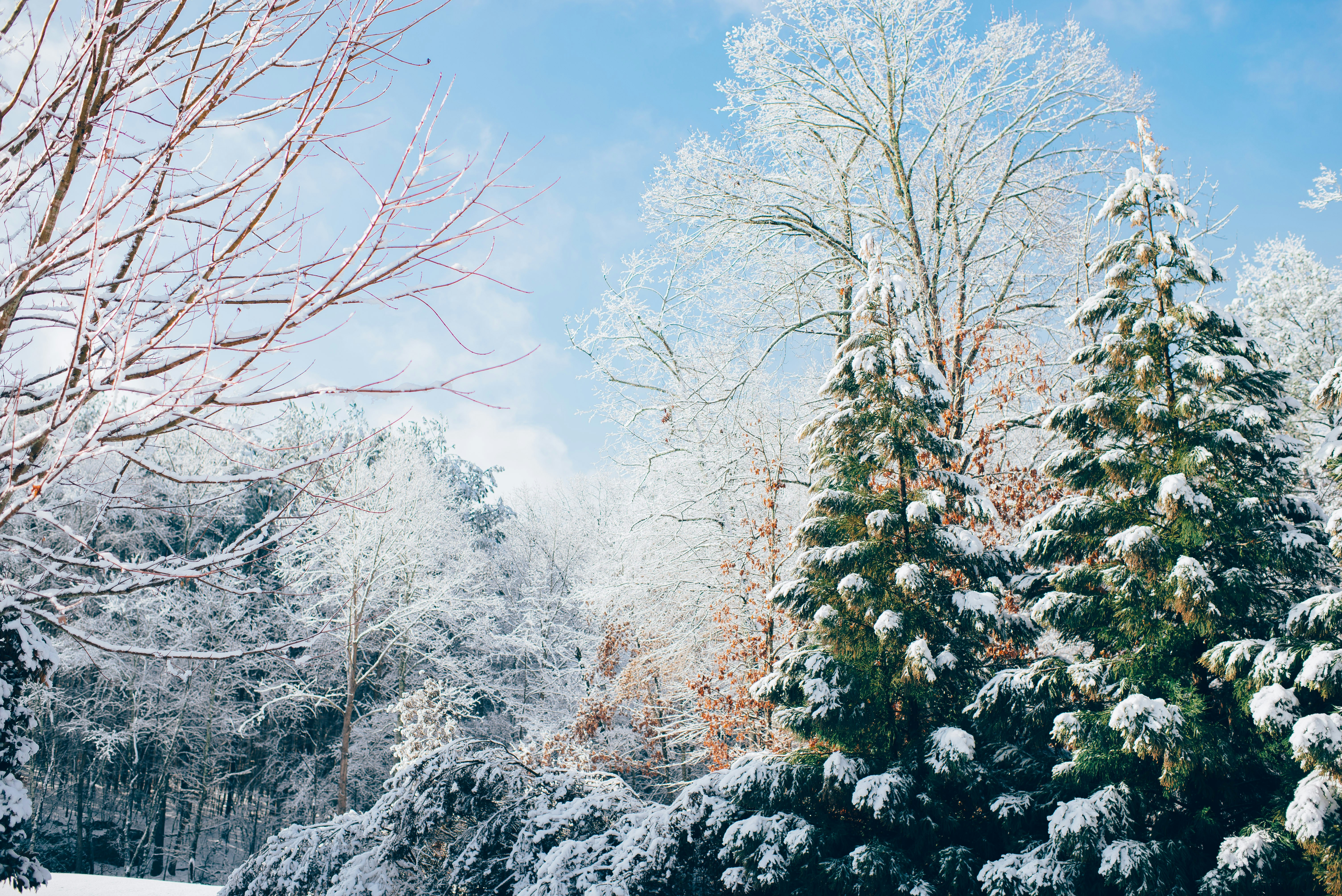
As the temperature drops and the first snowflakes begin to fall, most of us retreat indoors to stay warm. But while you’re cozying up by the fire, your fence is out there facing the elements alone. Winter can be brutal on outdoor structures. The combination of heavy snow, freezing rain, and fluctuating temperatures creates a perfect storm for damage.
Moisture seeps into wood, causing rot or warping. Ice accumulation adds immense weight that can cause sagging or leaning. Even sturdy posts can heave out of the ground as the soil freezes and thaws. If you want your fence to survive until spring without needing major repairs, a little preparation goes a long way.
Here is how you can protect your investment and ensure your property line stays secure through the coldest months of the year.
Clear Debris and Inspect for Weak Points
Before the deep freeze sets in, take a walk along your fence line. Remove any leaves, twigs, or organic matter stuck at the base. When this debris gets wet and freezes, it traps moisture against the bottom of your fence panels or posts, accelerating rot and rust.
This is also the time to check for stability. Give each post a gentle shake. If there is any wobble, you need to reinforce it before the ground freezes solid. A loose post now will be a leaning post—or a fallen one—once the weight of snow pushes against it.
Manage Your Snow Removal Strategically
When you are shoveling the driveway or using a snowblower, pay attention to where that snow lands. It is tempting to pile it up against the perimeter of your yard, but creating a snowbank against your fence is a recipe for disaster.
The sheer weight of piled snow can bend metal and crack wood. As the snow melts, it saturates the fence material for days or weeks. Try to direct snow blowers away from the fence line and keep piles several feet away to allow for drainage and airflow.
Watch Out for Overhanging Branches
Sometimes the damage doesn’t come from the weather itself, but from what the weather brings down. Trees that hang over your fence line are a major risk during winter. Ice storms coat branches, making them heavy and brittle.
Trim back any limbs that look dead or are positioned directly over your fence. It is much easier and cheaper to prune a tree now than to replace a crushed fence section in the middle of January.
The Ultimate Winter Defense: Choose the Right Materials
Maintenance can only do so much. If your current fence is made of older wood that absorbs moisture like a sponge, or low-grade vinyl that becomes brittle and cracks in sub-zero temperatures, you might be fighting a losing battle. The best defense against winter weather is choosing a material built to withstand it.
This is where a chain link privacy fence shines. Unlike solid barriers that act as a sail against winter winds, chain link allows air to pass through, reducing the strain on posts during storms. However, standard chain link offers zero privacy.
The PrivacyLink Solution
PrivacyLink offers the best of both worlds: the industrial strength of galvanized steel chain link and the aesthetic appeal of a privacy fence. Because PrivacyLink fences come with slats pre-inserted into the mesh, they provide a robust barrier that stands up to harsh conditions better than traditional wood or standard vinyl.
The slats used in PrivacyLink products are designed to resist becoming brittle in cold weather. They provide the seclusion you want for your backyard without the high susceptibility to moisture damage found in wood fences. Plus, the steel framework is far more resilient against the pressure of snow drifts than timber posts, which can rot at the ground line over time.
Secure Your Property for All Seasons
Winter doesn’t have to mean worrying about your fence collapsing under the weight of the season. By keeping the fence line clear, managing snow piles, and ensuring your trees are trimmed, you can mitigate most common risks.
However, if you are tired of constant maintenance and worry every time the forecast calls for a blizzard, it might be time to upgrade. A PrivacyLink system offers a durable, low-maintenance solution that keeps your yard private and secure, no matter what the thermometer says.
If your current fence is showing signs of age, don’t wait for a mid-winter emergency. Consider a solution that is built to last.

